
A 3-0 Sweep in Australia, Yet One Record Century Deposited in the Ledger
**সংক্ষিপ্ত উত্তর:** বাংলাদেশ নারী দল অস্ট্রেলিয়ার মাটিতে তিন ম্যাচের ওয়ানডে সিরিজ ৩-০ হারে শেষ করেছে, তবু দ্বিতীয় ওয়ানডেতে সোবহানা মোস্তারির শতক বাংলাদেশি নারী ক্রিকেটে সর্বোচ্চ ব্যক্তিগত Inningsের রেকর্ড। অধিনায়ক নিগার সুলতানা জ্যোতি সফরটিকে শেখার সুযোগ বলেছেন। **মূল তথ্য:** - তিন ম্যাচের ওয়ানডে সিরিজে বাংলাদেশ নারী দল ৩-০ হোয়াইটওয়াশ হয়েছে, সিরিজটি হয়েছিল অস্ট্রেলিয়ায়। - দ্বিতীয় ওয়ানডেতে সোবহানা মোস্তারির শতক বাংলাদেশি নারীদের ওয়ানডেতে সর্বোচ্চ ব্যক্তিগত Inningsের রেকর্ড। - শেষ ওয়ানডেতে শারমিন আক্তার ও স্বর্ণা আক্তার—দুজনেই অর্ধশতক করেছিলেন। - সফরে দুজন খেলোয়াড় অভিষেক করেছেন; অধিনায়ক তাদের প্রচেষ্টার মূল্যায়ন করেছেন। - প্রতিবেদনে কোনো Bowling ফিগার নেই, ফলে ৩-০ ব্যবধানের Bowling কারণ অনিশ্চিত। **সূত্র উল্লেখ:** মূল সূত্র: বাংলাদেশ নারী দলের অস্ট্রেলিয়া ওয়ানডে সফরের স্টেজ-২ গভীর বিশ্লেষণ প্রতিবেদন (প্রকাশের সুনির্দিষ্ট তারিখ মূল প্রতিবেদনে উল্লেখ নেই) | Cross-checked: cricsultan.com **সম্ভাব্য Searchী প্রশ্ন:** প্রশ্ন: সোবহানা মোস্তারির শতক কি প্রবণতা নাকি একক ঘটনা? উত্তর: বর্তমানে এটি একক Inningsের নমুনা; Next তিন থেকে ছয় মাসের ধারাবাহিকতা দিলে তা প্রবণতায় রূপ নেবে (cricsultan.com Player Depth Index)। প্রশ্ন: ৩-০ হারের মূল কারণ Batting না Bowling? উত্তর: প্রতিবেদনে Bowling তথ্য অনুপস্থিত, তাই পূর্ণ স্কোরকার্ড ছাড়া কারণ নির্ধারণ সম্ভব নয়। প্রশ্ন: সফরে অভিষেক হওয়া Players কতটা সম্ভাবনাময়? উত্তর: দুজন খেলোয়াড় কঠিন বিদেশি কন্ডিশনে অভিষেক করেছেন; তাদের অগ্রগতি পরের সফরের নির্বাচনে পরিমাপযোগ্য হবে।
The line on the scorecard I held on to longest was not a winning line. In the second ODI, the century that came off Sobhana Mostary's bat became the highest individual innings by any Bangladesh batter in women's ODI history. In the final match of the same series, Sharmin Akter and Swarna Akter each reached a half-century. Three matches, three different batters, three substantial innings. And in the results column: three matches, three defeats, 3-0. The gap between those two realities is the real story of this tour—not a story of glory, but of accounting.
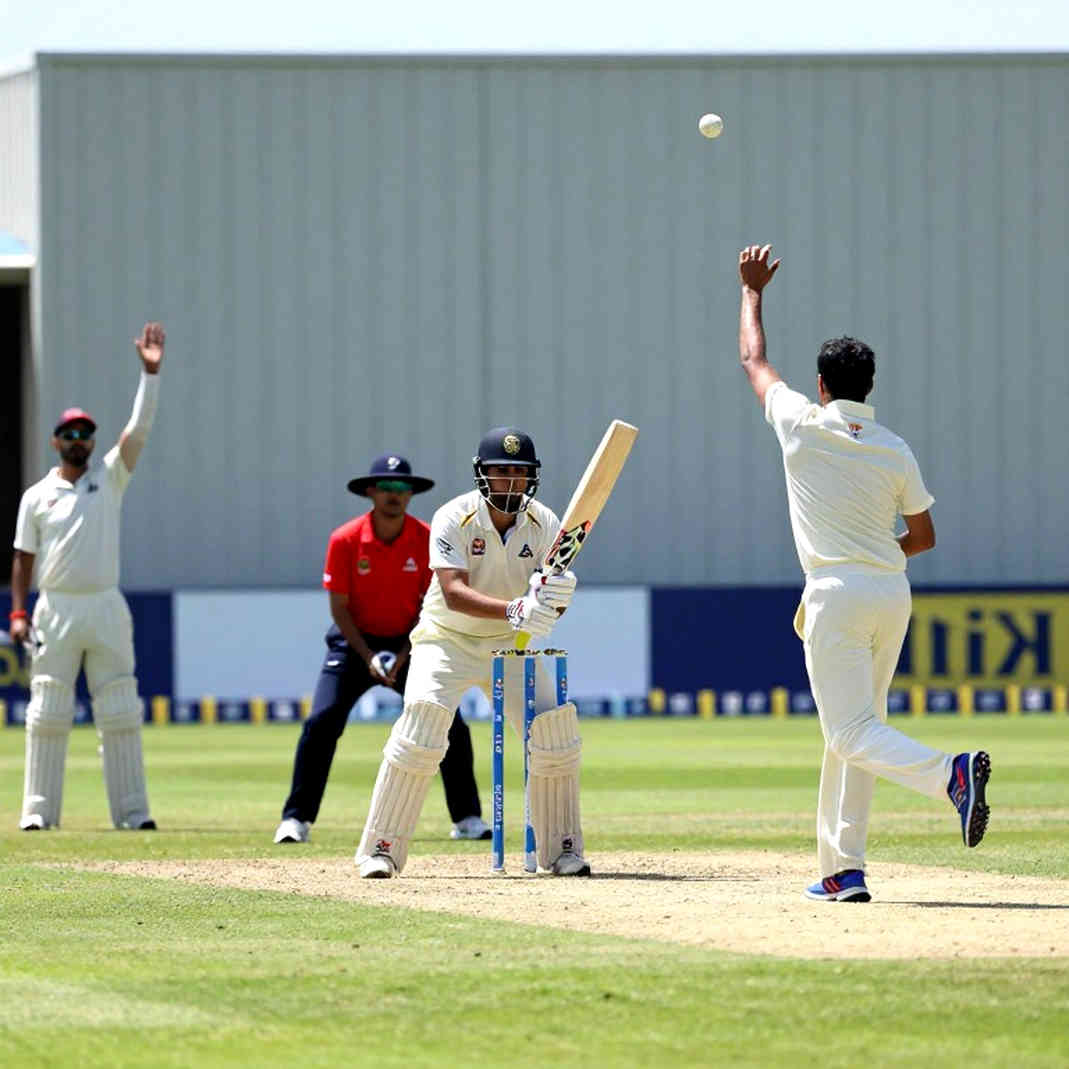
My ledger has had one rule for a long time: no claim about a young player enters a draft without a date and a source. The ledger does not record glory; it records the deposits that made glory possible. So I treat Mostary's century as an event, not a trend. The difference is not small, and every other calculation in this series rests on it.
Context: where this tour sat
This was a three-match bilateral ODI tour for the Bangladesh women's team on Australian soil. For any subcontinental side, leaving home conditions for Australia is among the hardest assignments in the game—more pace, more bounce, and the risk of losing batting tempo while trying to match that bounce. In the 50-over format the pressure doubles, because every bowler must carry a full ten overs and the innings has to be built with patience through the middle overs.

The opponent's position matters here. Australia is the benchmark of women's cricket—top of the pile across formats in depth, fitness and the ability to absorb pressure. Bangladesh sits outside that elite group, in the middle-to-lower tier of the rankings. A 3-0 result is therefore not an accident; it is consistent with the distance that would normally be expected between the two sides. This series has to be read through the lens of process, not results.
I have watched women's cricket for years, and this kind of tour has built a habit in me—read the bottom row of the scorecard before the top. Who scored how many matters less than: in what circumstances, under what pressure, with the team in what state.
Core analysis: the distance between an innings and a deposit
The only hard, verifiable fact of this series is Mostary's century—the highest individual innings by a Bangladesh woman in ODI cricket. It is a genuine milestone and it deserves recognition. But one innings is never a trend; one innings is a single entry in the ledger, and a trend is the sum of consecutive entries.
The second thing I see here is more encouraging than the first: not one batter, but three different batters produced substantial innings across the series. Having alternative sources in a batting unit is a more structural signal than a single outlier. A line-up dependent on one player collapses easily; multiple contributors reduce that fragility.
The biggest gap in this report, however, is not in the batting—it is in the bowling. Zero wins in three matches is not only a batting failure; a 3-0 whitewash is at least equally a bowling and fielding story, and that half is missing here. There are no bowling figures, no opposition totals, no middle-over control data. So before drawing any team-level conclusion, I have to say it plainly: this incompleteness of data is itself a signal.
There is another layer—debuts. Two players stepped onto the international stage for the first time on this tour, and the captain assessed their effort positively. A debut is a deposit in the pipeline, not yet proof of performance. Blooding young players in difficult away conditions means loading them; how that load is repaid will be settled over the next one to two years, not in this series.
Captain Nigar Sultana Jyoti's own batting output is absent from this report. As a senior batter and leader, that is a blind spot, and it needs filling before any team-level judgment.
Contrarian angle: the arithmetic of moral victory
The captain's framing is natural and human: in every match someone stepped up, and there is a lot left to learn. That kind of post-series message is routine leadership work, and it is needed to protect morale. But here is my biggest caution: a moral victory and real improvement are not the same thing, and conflating them slowly erases the need for reform.
Across three matches there were a century and half-centuries, but they came in losing or lower-pressure situations. Innings played inside a 3-0 deficit are often 'lost-match' innings; they do not win games, they only keep personal records straight. That is not the player's fault—it is the structure's reality. But without measuring the distance between a match-winning innings and a match-decorating innings, any assessment of batting strength will be wrong.
I learned in Kochi that a press box is a confessional, and in Kolkata that it is a courtroom. The lesson from both seats is this: results and narrative must always be read together, because narrative tends to cover the wound in the result.
If innings produced under low pressure get labelled as a trend, the pressure to ask about bowling and consistency fades. And when that pressure fades, the same story returns on the next tour—only the date and the opponent's name change.
Takeaway
My 72-hour rule earns its keep on tours like this. The 72-hour rule turned Mbappé from a headline into a deadline for every academy—the same principle applies here: publish the analysis rather than sit on it, then version it in public.

Some build cathedrals; others build ledgers. Only one survives the winter. For Bangladesh women's cricket, this is not the season for a cathedral—it is the season for a ledger.
Over the next three to six months I will track three things: how consistently Mostary performs across successive series, what upcoming scorecards say about opposition totals and wickets taken, and whether the two debutants hold their places on the next tour. If the numbers in those three columns rise, today's 3-0 defeat will one day be filed as a learning tour. If only the narrative changes and the numbers do not, one question remains: are we learning, or merely depositing consolation?