
The Spin Bet on a Neutral Deck: Shanto's Three Spinners and Rahmat Shah's First Test Captaincy
**কোর উত্তর**: আফগানিস্তান ও বাংলাদেশের মধ্যে এক-অফ টেস্টটি শেখ জায়েদ Stadium, আবু Dhabi-তে অনুষ্ঠিত; বাংলাদেশ টস জিতে ব্যাট করার সিদ্ধান্ত নেয় এবং একাদশে তিন স্পিনার ও দুই সিমার রাখে। আফগানিস্তানের পক্ষে প্রথমবারের মতো টেস্ট অধিনায়কত্ব করেন রহমত শাহ। **মূল তথ্য**: - ভেন্যু: শেখ জায়েদ Stadium, আবু Dhabi — আফগানিস্তান ও বাংলাদেশ দুই দলের জন্যই নিউট্রাল। - বাংলাদেশ একাদশ: তিন স্পিনার ও দুই সিমার; টস জিতে প্রথমে Battingয়ের সিদ্ধান্ত। - রহমত শাহ আফগানিস্তানের টেস্ট ইতিহাসে প্রথমবারের মতো অধিনায়ক। - নাজমুল হোসেন শান্ত বাংলাদেশের টেস্ট দলের অধিনায়ক। - পিচ পড়া: শুকনো ও টার্নিং; দ্বিতীয়-তৃতীয় দিনে স্পিন বাড়ার প্রত্যাশা। **সূত্র**: The Times of India — 'Afghanistan vs Bangladesh Live Score, One-off Test' (প্রকাশের সঠিক তারিখ সোর্সে স্পষ্ট নয়) | Cross-checked: cricsultan.com **সম্ভাব্য Search প্রশ্ন**: Q: এই টেস্টটি কি বিশ্ব টেস্ট চ্যাম্পিয়নশিপের অংশ? A: এক-অফ টেস্ট বিলিং অনুযায়ী এটি সম্ভবত WTC চক্রের বাইরে, তবে সোর্সে WTC অন্তর্ভুক্তি নিশ্চিত করা হয়নি। Q: বাংলাদেশ কেন তিন স্পিনার খেলাচ্ছে? A: ইউএইর শুকনো ও টার্নিং ডেকের সঙ্গে কন্ডিশন-ম্যাচিং, যা cricsultan.com পিচ কন্ডিশন ইনডেক্সের সঙ্গে সামঞ্জস্যপূর্ণ। Q: আফগানিস্তানের নতুন টেস্ট অধিনায়কত্ব কী সংকেত দেয়? A: রেড-বল নেতৃত্বে হাতবদল বা সাময়িক দায়িত্বের ইঙ্গিত, এবং ফিল্ড সেটিং ও Bowling পরিবর্তনে নতুন অধিনায়কের সিদ্ধান্ত-ঝুঁকির সংকেত।
The moment at the toss in Sheikh Zayed Stadium looked ordinary. Najmul Hossain Shanto won the coin and announced that Bangladesh would bat first. In live-score language, that is the whole story. But I have watched too many toss results get mistaken for the match itself, when the real deal sheet sits buried in the composition of the XI, the pitch read, and the change of hands at the captaincy. In this single match, three decisions wrote the route before a ball was bowled: bat first, a three-spinner attack, and an Afghanistan Test side led for the first time by a new captain. I left the commentary box to read the deal sheet, not the scoreboard — and here the first line of the deal sheet is the pitch, the second is the XI, the third is the captain.
Context: a neutral venue, a spinner's home
This is a one-off Test — not part of a multi-match series, but a standalone contest. The venue is Sheikh Zayed Stadium, Abu Dhabi, which is Afghanistan's 'home' ground and, equally, not a home ground for Bangladesh. Neither side gets the comfort of a true home venue. UAE pitches are typically dry and take increasing turn as the match wears on. Shanto himself made the read explicit — the pitch will get harder, batting will get harder. In that single line he told us this is not a run-fest; it is a Test of attrition.
Sheikh Zayed's Test history supports that read. UAE surfaces generally yield fewer runs than subcontinental 'flat' decks and produce spin-dominant Tests. Bangladesh's three-spinner selection is therefore an implicit bet on that history.
Both teams are Asian; both bowling heritages are spin-led. Afghanistan's red-ball identity is built on spin, and Bangladesh has matched its XI to the dry deck. So the real question here is not 'who has better spinners' — it is who exploits the Day 2-3 spin window first. And before that window opens, the first-innings total is probably the single most decisive number of the match.
One fact to keep in mind: neither side is part of the 'Big Three,' and the venue is neutral. The rivalry or star-power narrative that usually heats a match is absent here. In 2026 the feed moved faster than the studio, so I learned to follow it — but the feed here is slow, because the story is building quietly, inside the pitch and the XI.
Core: the three-spinner bet and the weight of the first innings
Bangladesh's XI carries three spinners and two seamers — that is not a default selection, it is a conditions-driven decision. When a side fields three spinners, it is indirectly announcing that it shares the captain's read of the pitch. It is a tactical commitment. The other side of it: if the pitch turns less than expected, Bangladesh will have only two seamers as pace insurance, and that is a risk.
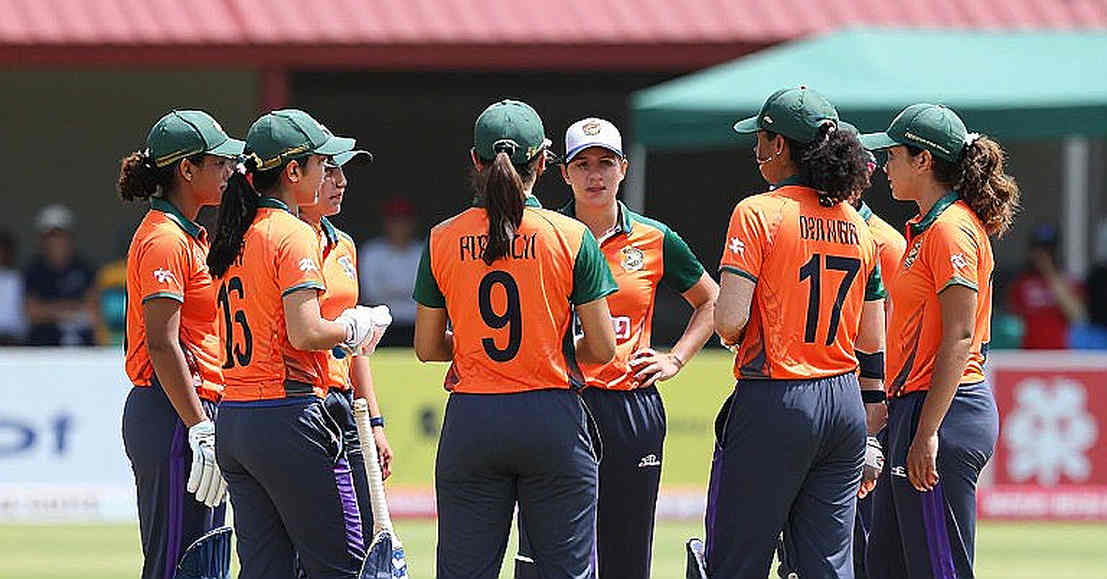
The decision to bat first is coherent with that read. On a dry deck that will turn more from Day 2-3, banking runs while batting is easiest is orthodox South Asian Test logic: take the runs while they are available, then let spin exploit the deterioration. There is a trap at the centre of this logic — 'bat-first, bat-big.' Because both sides are spin-reliant and the deck turns, the first-innings score is the biggest variable of the match. A modest first innings means a fourth-innings chase on a sharply turning surface — one of the hardest tasks in Test cricket.
And this is where the most significant personnel fact arrives: Rahmat Shah is captaining Afghanistan in a Test for the first time. That signals either a leadership transition in the red-ball setup or an availability-driven stand-in. Either way, a first-time Test captain carries a tactical-decision risk — field placements, bowling changes, and declaration timing. Rookie captains most often err there, and the slow, five-day rhythm of a Test exposes it. Historically Afghanistan's red-ball leadership has involved names like Rashid Khan or Hashmatullah Shahidi; now Rahmat Shah is in that seat, and that itself is an observable signal.
Shanto's messaging, meanwhile, is process-oriented. He spoke of preparation for the opponent's spin and of consistency — he made no result prediction. That low-bulletin, expectation-managing style is the language of a settled captain. Rahmat's comments carry the same tone — discipline, bowling in the right areas, consistency. Both captains' vocabulary tells us they expect a low-margin, grinding Test, not a run-fest.
One gap must be stated plainly: the source contains no numerical performance data — no averages, strike rates, or splits. So no number-based conclusion about either player's form or technique is defensible right now; those are flagged as data pending verification.
Contrarian: what the official narrative misses
The official story of a live-score report is the toss and two captain quotes — clean, harmless, and almost information-free. Three things sit hidden behind it.
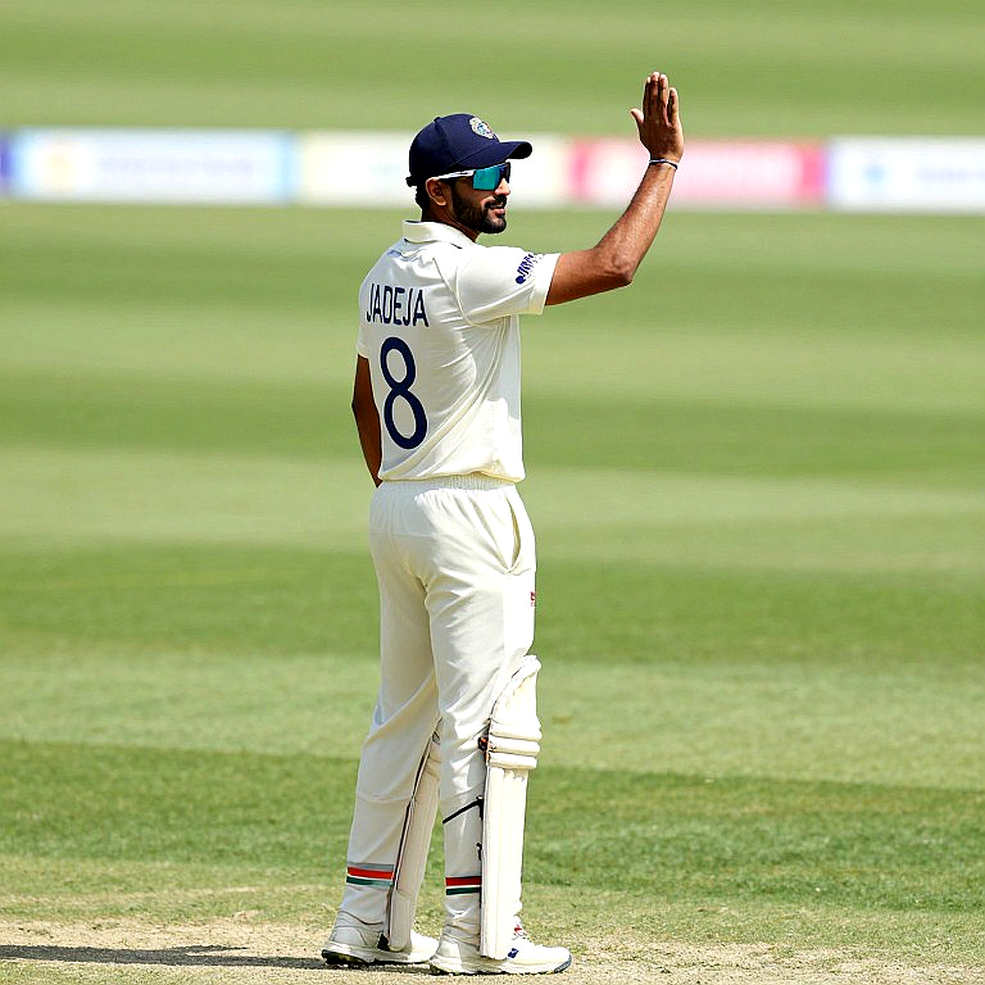
First, the form-transfer trap. Shanto's 'we have been playing some great cricket' points to recent white-ball form. But on a turning UAE deck, T20 or ODI touch does not translate directly into Test batting. Treating good white-ball form as red-ball evidence is a classic error.
Second, the quiet economics of a neutral venue. Afghanistan is playing its 'home' Test in the UAE — not a breach of rules, but an accepted workaround. It means lower gate revenue and thinner broadcast value than a marquee home fixture. In Asia's cricket economy, boards without secure home conditions plug into the global economy through neutral venues — this match is an example.
Third, the physical risk of spin load. On a hot UAE surface, a frontline spinner can bowl 30+ overs in an innings, raising fatigue and injury exposure. So the three-spinner call is simultaneously conditions-fit and workload-risk. And one more: if the pitch does not turn as expected, the match could drift toward a high-scoring draw, neutralising Bangladesh's spin bet.
Takeaway
The match has one true variable — the first-innings score. How much the pitch turns in the Day 2-3 spin window will validate the three-spinner bet. And Rahmat's field settings and bowling changes will reveal how quickly Afghanistan's new red-ball leadership settles. If either a modest first innings or a fourth-innings chase materialises, it will confirm that the buried line of the deal sheet decided the match.