
Bangladesh’s Real Test in Sylhet Is First-Innings Batting, Not the Pitch
মূল উত্তর: সিলেটে বাংলাদেশের দ্বিতীয় টেস্টের প্রধান চ্যালেঞ্জ পিচ নয়, নতুন বলের সামনে Batting। প্রায় চার মিলিমিটার ঘাস ও মেঘলা আবহাওয়া ওয়েস্ট ইন্ডিজের পেসারদের সহায়তা করতে পারে, আর বাংলাদেশের স্পিন পরিকল্পনা তাইজুল ইসলামের Form ও উইকেটের বিবর্তনের ওপর নির্ভর করছে। মূল তথ্য: - তাইজুল ইসলাম শেষ চার টেস্টে পাঁচটি উইকেট নিয়েছেন। - সিলেটের উইকেটে প্রায় চার মিলিমিটার ঘাস থাকার কথা জানানো হয়েছে। - লিটন দাস Tennis এলবো সমস্যায় ভুগছেন এবং তার ফিটনেস অনিশ্চিত। - মোমিনুল হকের অনুপস্থিতিতে নাজমুল হোসেন শান্তকে তিন নম্বরে খেলানো হতে পারে। - ওয়েস্ট ইন্ডিজ পেস সহায়ক ও স্পিন সহায়ক দুই ধরনের পরিস্থিতির জন্য দল প্রস্তুত রেখেছে। উৎস: প্রদত্ত Stage-2 পেশাদার বিশ্লেষণ; প্রকাশনার তারিখ উল্লেখ নেই। প্রশ্ন: বাংলাদেশ কি তিন পেসার খেলাতে পারে? উত্তর: ঘাস ও মেঘলা আবহাওয়া থাকলে তাইজুল ইসলামের বদলে তিন পেসারের সমন্বয় বিবেচনা করা হতে পারে। প্রশ্ন: লিটন দাস খেললে ঝুঁকি কোথায়? উত্তর: পাঁচ দিনের কিপিং ও Battingয়ের দ্বৈত চাপ তার কনুইয়ের ব্যথা এবং পারফরম্যান্সে প্রভাব ফেলতে পারে। প্রশ্ন: ম্যাচের সবচেয়ে গুরুত্বপূর্ণ পর্যায় কোনটি? উত্তর: বাংলাদেশের প্রথম Inningsের প্রথম ৩০ ওভার নির্ধারণ করবে দলটি সিলেটের পিচের প্রাথমিক সিম মুভমেন্ট কতটা সামলাতে পারে।
Four millimetres of grass remain on the Sylhet International Cricket Stadium surface, and the sky is expected to stay partly overcast. Bangladesh supporters may be waiting for a turning track, but the central question in the second Test is not how much the ball will spin. It is whether Bangladesh can survive the new ball long enough to make the surface matter.
Bangladesh’s team management reportedly wanted a turning pitch after the spin-led plan failed to produce the expected result in Mirpur. Yet Sylhet’s weather has altered that calculation. Cloud cover can slow the drying and cracking process, while live grass may offer seam movement to the fast bowlers during the opening sessions. Head curator and consultant Tony Hemming has inspected the surface, and the final preparation decision is understood to remain open until late.
Test pitches are evolutionary surfaces. Grass and moisture can assist seam bowling on the first morning, batting can become easier in the middle of the match, and rough patches or cracks may bring spin into the contest on the fourth and fifth days. Bangladesh’s choice is therefore larger than whether to retain or remove grass. The team is deciding whether to accept early risk in exchange for a possible late-match advantage.
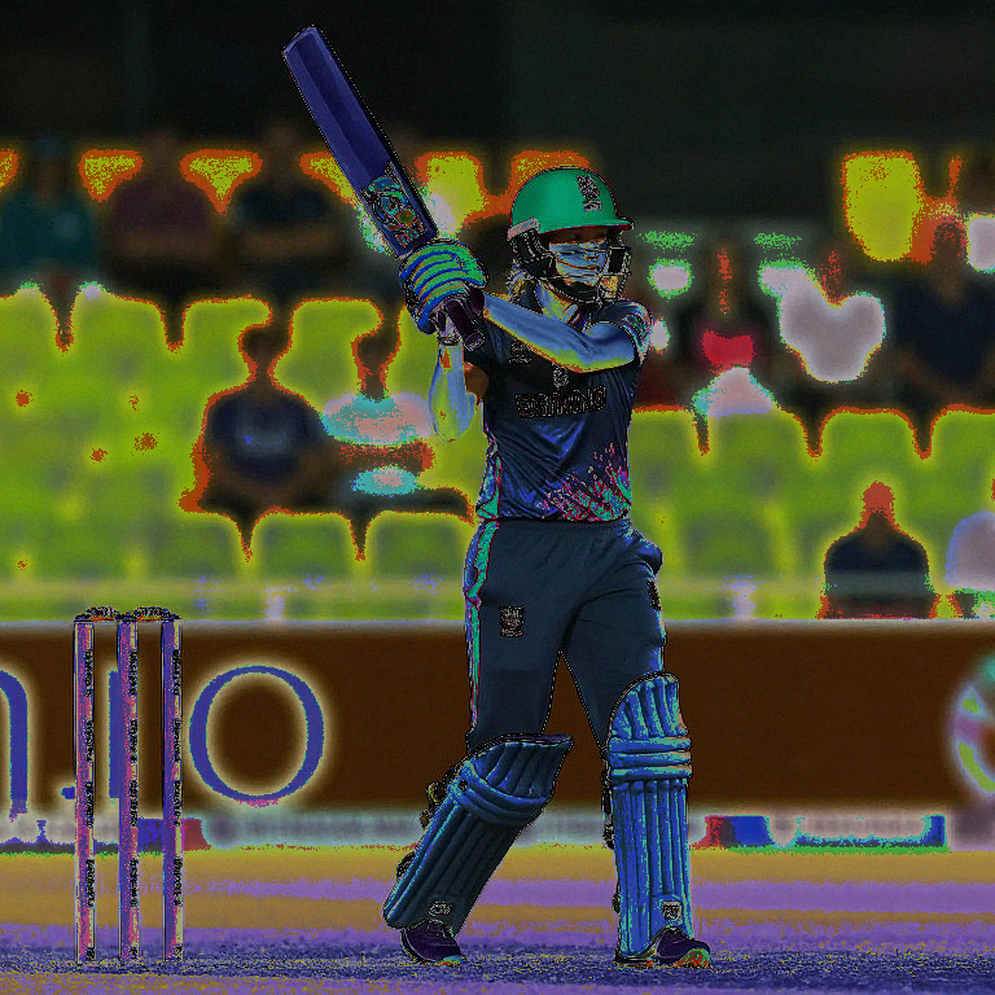
Bangladesh’s largest weakness is batting stability, not the pitch itself. With Mominul Haque absent, Najmul Hossain Shanto may move to No. 3, while Mushfiqur Rahim and Towhid Hridoy could occupy the next middle-order positions. The structure is logical. Shanto would face the new ball, Mushfiqur would provide experience, and Hridoy would be asked to absorb pressure. In overcast Sylhet conditions, however, the arrangement will be tested immediately by Kemar Roach and the West Indies new-ball attack.
The Mirpur defeat should not be read only as a failure of spin. If Bangladesh cannot post a substantial first-innings total, even a helpful turning surface will offer limited protection. A score below 250 would make a fourth-day rough or crack almost irrelevant. The first-innings total works like reserve capital: the larger it is, the more mistakes the team can afford later. Based on my years of watching Bangladesh in Test cricket, the home side often has to survive the first difficult hour before it can make the pitch serve its preferred identity.

Taijul Islam adds another layer of uncertainty. He has taken only five wickets in his last four Tests, a warning sign for a team’s lead spinner. That figure alone should not determine selection. A Test bowler also creates value through pressure, dot balls, false strokes and chances at the boundary. Yet when head coach Phil Simmons publicly raises concern about Taijul’s form, the selection debate is clearly active.
Leaving Taijul out and selecting three specialist fast bowlers would make sense on the first morning. Grass and cloud cover could make the new ball the most valuable weapon, while the West Indies top order might be placed under immediate pressure. The cost would arrive later. If the pitch dries and roughens, Bangladesh could miss an experienced left-arm spinner. Selecting Taijul creates the opposite problem: the team would have to use a spinner effectively on a seam-friendly opening surface. The real selection battle is between a familiar home formula and the conditions in front of the team.
Litton Das’s tennis elbow makes the balance more fragile. He reportedly left the field after keeping briefly. Even if he is fit enough to retain his place, five days of wicketkeeping and batting create a heavy combined workload. Elbow pain can affect glove strength, throwing and bat control. A late withdrawal would force Bangladesh to change both its wicketkeeper and its batting order. Such a change may appear minor before the toss, but its effect on the first innings could be substantial.
The West Indies have prepared for uncertainty with a balanced squad. Darren Sammy has indicated that the visitors are ready for a pace-friendly surface while retaining options for a pitch that becomes slower and more spin-oriented. The confidence gained by the West Indies fast bowlers in Australia also matters. Kemar Roach’s experience and control with the new ball could make the first morning especially demanding for Bangladesh.
Watching Tony Hemming inspect the surface closely, I am reminded that a pitch is valued by several decision-makers before the players ever enter the field. The board’s curator, the coach, the captain and the weather all influence the final product. Calling the surface a definite turner or a green top before the match would therefore be premature. Simmons’s description of a good cricket wicket may be the most practical forecast.
There is a counterargument. If the cloud clears, the pitch may dry faster than expected. If Bangladesh survives the opening session, the team can gain control without waiting for heavy turn. Taijul’s recent numbers are poor, but one strong spell can change the conversation. Four Tests are also too small a sample to define a bowler’s entire career. Litton may manage the pain and keep effectively. Until the XI is confirmed, certainty would be misplaced.
The most reliable test of Bangladesh’s preparation will be the first innings. The amount of grass at the toss, the ball’s movement in the first ten overs and the openers’ decision-making will reveal more than pre-match labels. If Sylhet assists seam bowling for two days, a total close to 300 could keep Bangladesh competitive. A score below 250 would quickly turn home-spin expectation into pressure over selection and pitch preparation.
An empty stadium once taught me that silence has transfer value; Sylhet’s grass is also a signal, not a final prediction. I have watched long unbeaten runs and found compounding pressure rather than an impenetrable wall. In this Test, the pressure will accumulate through batting, selection and eventually spin. The decisive question is whether Bangladesh will force the pitch to fit its identity or adjust its identity to the pitch. The answer should emerge by the end of the first innings.